Heritage Trails Logo paulbohm Contact Us
Contact Us
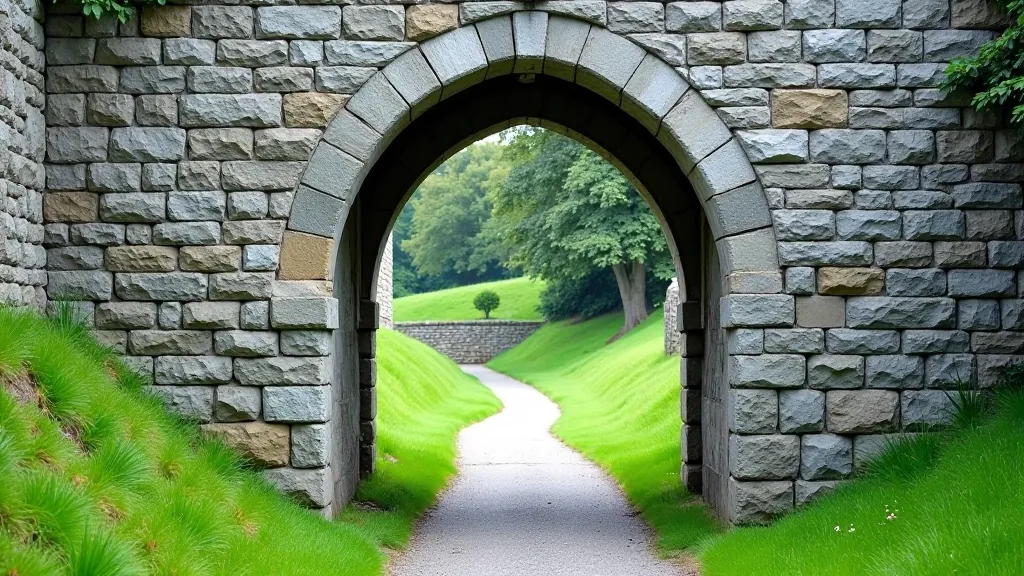
Ancient stone walls of Derry City with lush green landscape beyond the historic fortifications

Derry's Walls Circuit: Complete Walking Tour Information

Discover Ireland's most intact city walls on this immersive 1.5km heritage circuit through medieval streets and historic ramparts

10 min read Beginner May 2026
Síle O'Brien, Heritage Tour Specialist

By Síle O'Brien

Senior Heritage Tour Specialist

Heritage tour specialist with 16 years' experience designing accessible walking routes through Ireland's medieval towns and historic city centres.

Why Derry's Walls Matter

Derry City's walls aren't just old stones — they're the most complete city walls in Ireland and among the best preserved in Europe. Built between 1619 and 1619, they've witnessed centuries of history without a major breach. Walking them, you're literally treading the same path as merchants, soldiers, and townspeople from the 1600s onward.

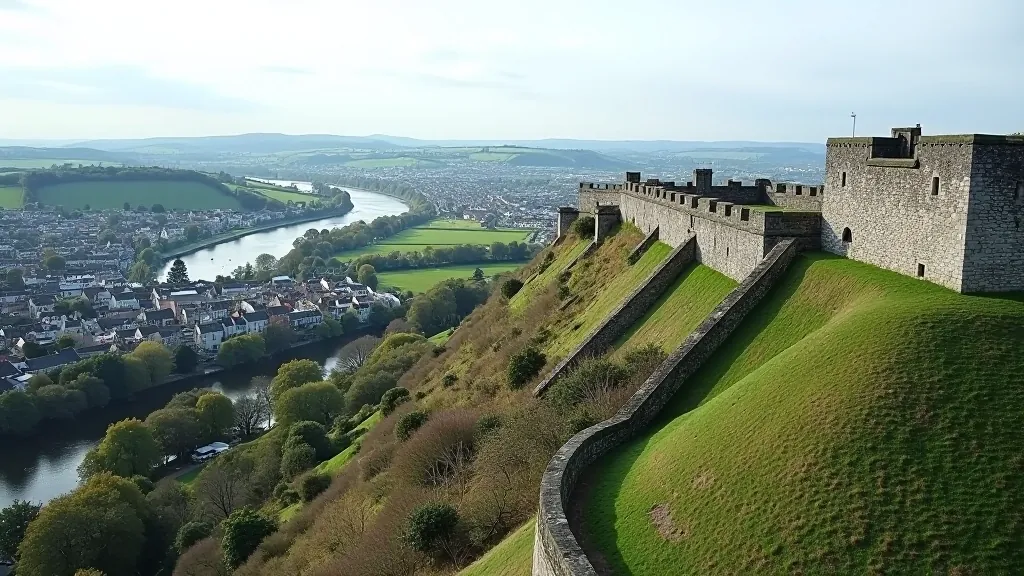
The circuit is special because you're not just looking at ruins from below. You're walking on top of the walls themselves, which means you get genuine 360-degree views of the city, the River Foyle, and the surrounding countryside. It's completely flat and manageable — most people complete it in about 45 minutes to an hour without rushing.

Historic stone archways and gates integrated into Derry's medieval city walls with modern city visible beyond
Panoramic view from atop Derry's city walls showing the river valley and surrounding landscape

The Basics You Need to Know

The complete circuit is 1.5 kilometres and takes about 45 minutes at a leisurely pace. You don't need any special equipment — just decent walking shoes with decent grip. The walls are roughly 10 metres high and about 7 metres wide at the top, so there's plenty of space to walk comfortably. Railings exist at the most exposed sections, but it's not like walking on a tightrope.

Access points are scattered around the circuit. The most popular starting point is near the Diamond (the main town square) or at the Derry Walls Visitor Centre. From there, you can head clockwise or counter-clockwise — there's no wrong direction. The walk's genuinely level once you're on top, though there are steps to climb up and down at entry points.

1.5 km circuit
45 mins average
Fully accessible

Key Stops Along the Way

Each gate and bastion tells a different story

Shipquay Gate

The main river gate originally connected the walled city to the port below. It's one of the four original gates, beautifully preserved with its original arch intact. From here you get stunning views down to the Foyle.

Double Bastion

One of the strongest points on the walls with two overlapping gun positions. It's where the city's defensive strategy really becomes clear — sight lines, firing angles, everything was calculated for protection.

Magazine Bastion

This housed the ammunition stores during conflicts. The stonework here is particularly impressive, and the views across the city are probably the best you'll get from any single point on the circuit.

Butcher's Gate

Named for the butcher's market that operated outside it, this gate's in the quieter part of the walk. It's worth pausing here — the street view below shows how the medieval street layout's been preserved almost unchanged.

Bishop's Gate

The most ornate of the gates with detailed stone carving. It faces outward toward the original cathedral area. The architectural details here show real craftsmanship from the 1700s reconstruction.

Walker's Column

Not technically on the walls but immediately adjacent, this monument to the city's founder Governor Walker offers a good spot to catch your breath and take in the whole picture of what you've just walked.

Before You Go

This guide's designed to help you understand the Derry Walls circuit and plan your visit. While the information's accurate and current, circumstances can change — weather affects access, maintenance work happens, and local conditions vary. Always check current conditions with the Derry City & Strabane District Council or the Derry Walls Visitor Centre before you head out. Wear appropriate footwear with good grip, bring weather protection, and take your time. This isn't a race.

Making the Most of Your Walk

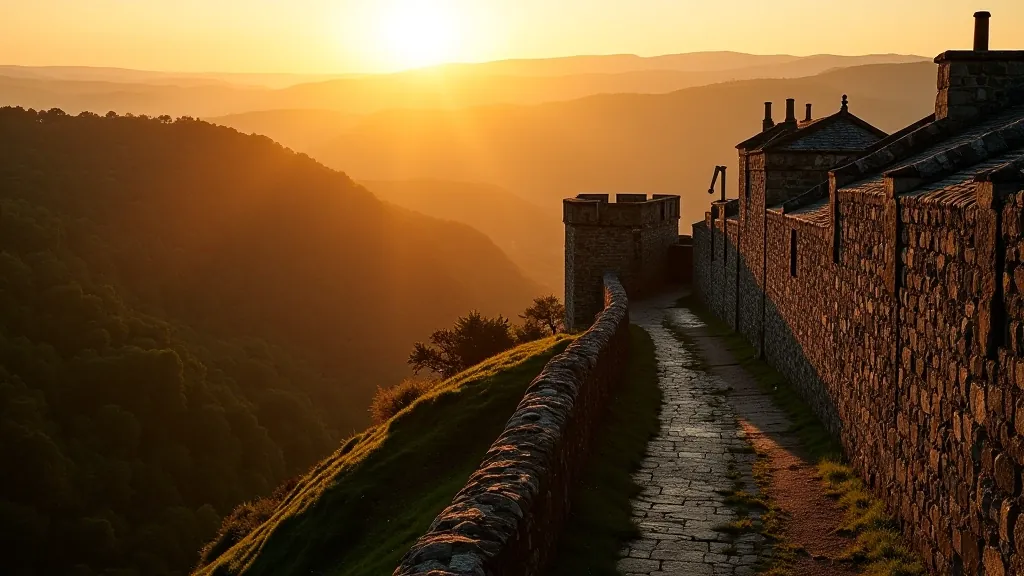
Timing matters more than you'd think. Early morning or late afternoon light's genuinely magical on these walls — the stone picks up warm colours and shadows define the architecture beautifully. If you're visiting in summer, starting early avoids the heat on exposed sections. There's no shade up there, so sun protection's actually important even on cloudy days.

Bring water. The circuit's short enough that you won't be desperately thirsty, but having a bottle makes the experience more comfortable, especially if you're stopping frequently to look around or take photographs. The visitor centre at the start has facilities, but there's nowhere to grab a drink once you're on the walls.

Don't rush. Most people finish in 45 minutes, but you'll get far more out of it if you slow down and actually read the information boards, look at the stonework details, and absorb the views. Spend 90 minutes and you'll notice things you'd miss in a quick circuit.

Sunset golden light illuminating historic stone walls with the River Foyle visible in the distance below
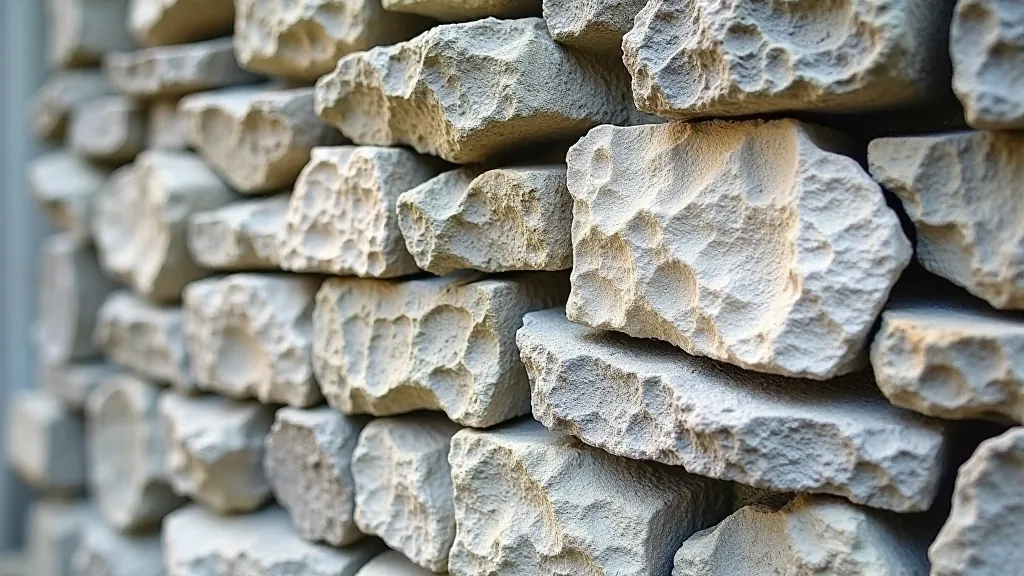
Close-up detail of weathered stone masonry showing centuries of history carved into the walls

What You're Actually Looking At

The walls you're walking on aren't all from the same period. The original fortifications date to the early 1600s, built by settlers under the protection of Governor Henry Docwra. But they've been modified, repaired, and reinforced continuously. Some sections are 17th century original stone. Others are 18th century reconstruction. Some bits are Victorian repairs. That's actually part of the appeal — you're seeing layers of history in the actual construction.

The stonework quality varies for a reason. Limestone from local quarries was the primary material, but it's not uniform. Harder stone was reserved for corners and stress points. Softer stone filled less critical sections. After 400 years, you can see which stones have weathered well and which ones needed replacing. It's like reading the walls' maintenance history written in the stone itself.

Why This Walk Stays With You

There's something about walking on structures that have stood for 400 years. You're not just observing history from below or reading about it in books — you're physically moving through a landscape that medieval and early modern people moved through. The same walls that protected merchants in the 1650s are supporting your feet today.

The Derry Walls circuit works because it's manageable. It's not a gruelling trek. You can do it at your own pace, stop whenever you want, and still feel like you've accomplished something real. You've seen genuine medieval engineering, walked through genuine history, and got a perspective of the city that most visitors never experience. That's worth the time.