
Exploring Medieval Kilkenny: Street-by-Street Walking Guide
Learn the history behind Kilkenny's narrow lanes, castle ruins, and centuries-old architecture through a detailed walking exploration.


Limerick's heart tells two stories. There's the medieval city — narrow lanes and ancient walls — and there's the Georgian elegance that came centuries later. We're going to walk both. These aren't long routes. Each takes about two hours, and you can do them on different days if you prefer.
What you'll see matters. Medieval Limerick shows you how people actually lived centuries ago — tight streets, small windows, buildings that still stand after 800 years. The Georgian quarter? That's different. Wide streets, proper proportions, light. It's architecture that was meant to impress. We've mapped both routes, noted where to rest, and included cafes that won't disappoint.
What's Included
Start at King John's Castle. It's real — built in 1200 — and you can see why people chose this spot. The River Shannon curves around it, giving natural protection. Medieval Limerick grew from here, spreading outward in tight, defensive patterns.
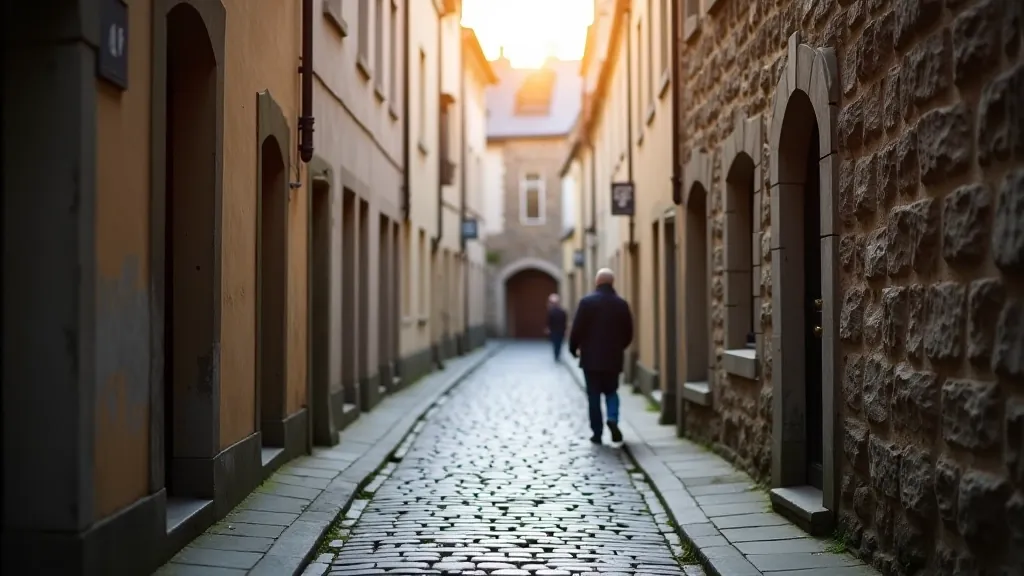
The medieval streets are narrow because they were designed that way. Narrow meant easier to defend, easier to control. You'll walk along Henry Street, then cut through to the older laneways. Funcheon Lane still has medieval proportions — barely wide enough for two people. That's authentic. Nobody widened these streets because nobody had to. They work as they always did.
St. Mary's Cathedral sits here too, dating back to 1172. The stonework isn't fancy — medieval builders focused on durability, not decoration. You'll notice the thick walls. That thickness kept the cold out and provided strength when people needed places to gather safely.
2.1 km
Walking distance
120 mins
Recommended time
3 stops
Rest opportunities
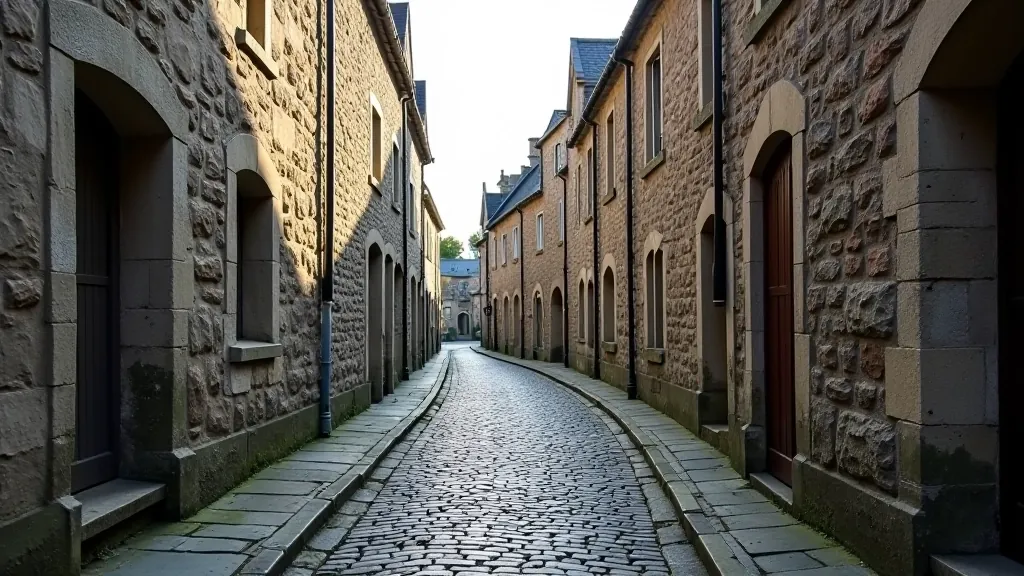
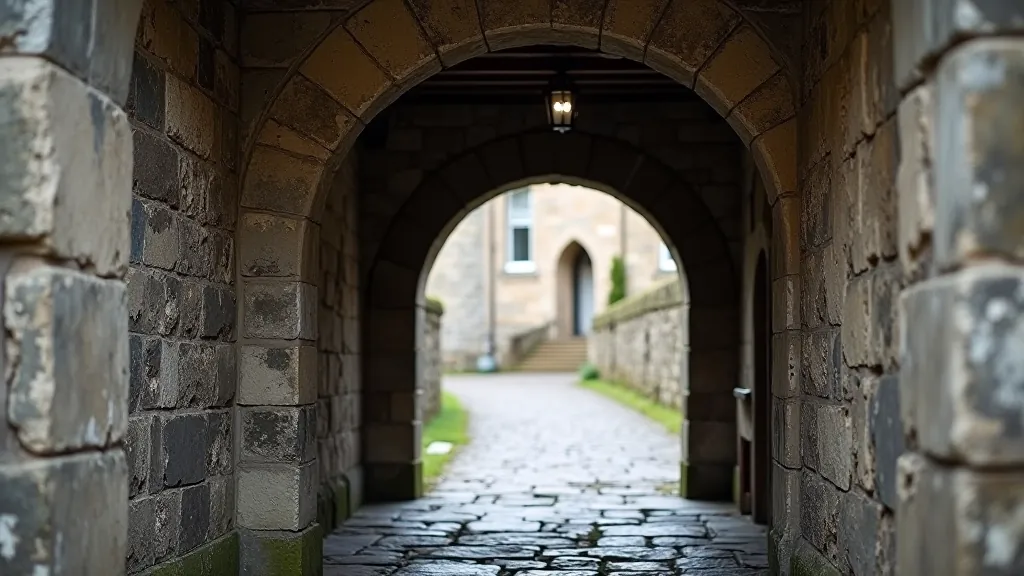
Look up. Medieval builders didn't waste material on unnecessary height, but they did build solid. You'll see windows that are smaller than you'd expect — not because people wanted darkness, but because glass was expensive. The stone itself tells stories. You can see where buildings have been repaired, patched, adapted.
The Cathedral has survived fires, wars, and centuries of weather. The walls are original stone from the 1100s. That's not decoration — that's engineering that worked.
Accessibility Note
Medieval streets have uneven surfaces. Some sections are cobblestone, others have been paved but remain slightly sloped. There are a few steps to enter the Cathedral and Castle. Rest benches are available at key points.
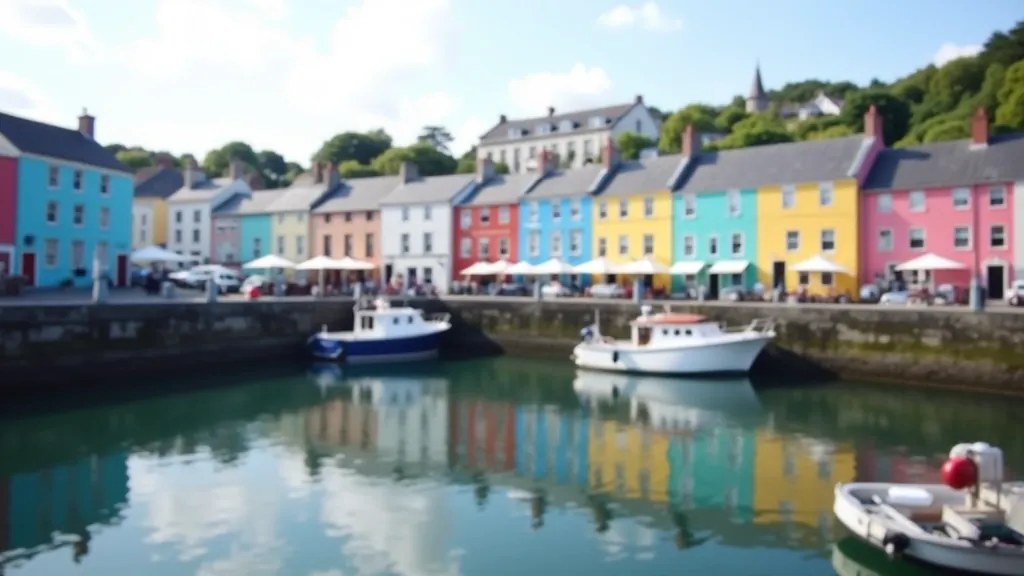
Jump forward 500 years. The Georgian period brought different thinking. Streets became wider. Buildings followed mathematical rules. The proportions matter — windows aligned, doors centered, facades symmetrical. It's planned architecture, and you can feel the difference immediately.
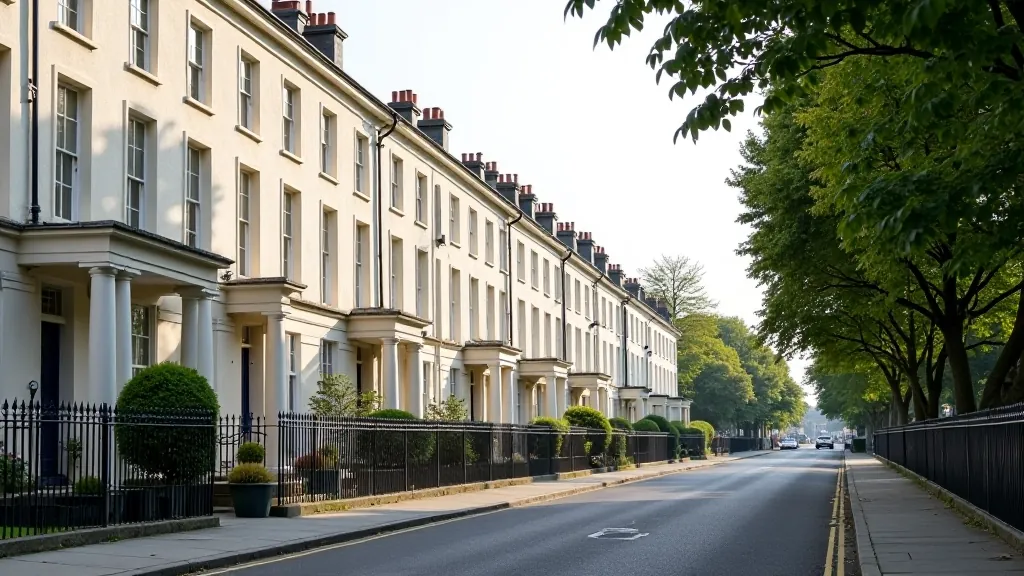
Pery Square is the centerpiece. Built between 1810 and 1830, it's genuinely elegant. The buildings maintain consistent height and spacing. It's not random growth — it's deliberate urban design. Each townhouse has four stories, regular window patterns, and that distinctive Georgian detailing. The square itself was meant to impress visitors and establish Limerick as a prosperous, modern city.
This route takes you through the planned quarters — Pery Square, Newtown Pery, Mallow Street. You'll see how a city was designed for a different era. Wider streets meant better air, easier movement, room for commerce. The buildings are taller, the windows larger, the overall feeling more open than the medieval core.
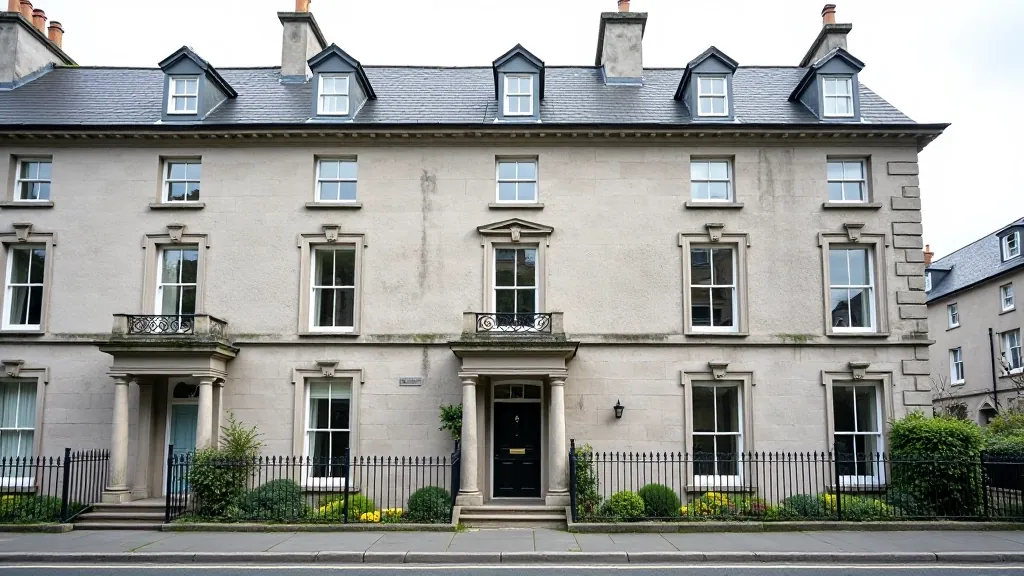
Georgian architecture wasn't just beautiful — it was practical. Larger windows meant better light inside homes. Regular proportions made construction easier and more affordable to replicate across an entire neighborhood. The wide streets reduced fire risk and allowed better drainage during heavy rain.
You'll notice the details. Fanlights above doors, keystones around windows, decorative cornicing. These aren't wasteful — they're carefully calculated to create visual harmony. A fanlight isn't decoration; it's an extra light source for the hallway. Keystones reinforce corners structurally while looking elegant.
2.8 km
Walking distance
105 mins
Recommended time
4 stops
Rest opportunities
About This Guide
This article provides educational information about Limerick's historic routes and architectural heritage. Route recommendations, distances, and accessibility notes are based on current conditions, but you should verify current accessibility details and any seasonal closures before your visit. Weather conditions affect walking comfort and safety. We recommend checking local tourism websites and contacting venue operators directly for the most current information before planning your walk.
Both routes are walkable in standard conditions. We've included rest stops because these walks are meant to be enjoyed, not rushed. You're not hiking — you're observing architecture and history at a comfortable pace.
The medieval route involves more uneven surfaces, particularly in the older laneways. The Georgian route is flatter and mostly paved. Both have benches at strategic points. Cafes on the routes are reliable — we've tested them. You won't be stuck for refreshment.
Best Times to Walk
Spring and early autumn work well. Summer can be crowded. Winter's fine if you dress properly — these walks don't require mountain gear, just sensible clothing. Morning light works better than afternoon for seeing architectural details clearly.

Limerick's two routes aren't just about seeing old buildings. They're about understanding how cities work. Medieval Limerick was built for protection and community. People lived tightly packed because that made sense at the time. Georgian Limerick was built for commerce and prosperity. Wide streets meant business, better housing meant wealth, planned streets meant organization.
You don't need expert knowledge to appreciate either route. Just walk, look up, notice the details. A medieval window tells you something about how people lived 800 years ago. A Georgian fanlight tells you something about how people wanted to live 200 years ago. That's the real education these walks provide. Not dates and facts — actual understanding of how humans adapted their cities to what they needed.